Unlock the mystery of one of the compact disc format’s more interesting features: CD text. In this guide, we'll cover what it is and why you should use it.
For the audio aficionados out there, you know there are tons of different kinds of music albums. There’s the EP & the LP, the novelty album, the compilation, etc.
With so many different media players available, you might wonder which formats your player can handle. If you have a Blu-ray player (or are thinking about getting one), you might be asking: do Blu-ray players play DVDs and CDs? This blog will break down how Blu-ray players work and see if they're compatible with older disc formats.
Your album cover is meant to reflect your artistry. Here are the top tips for how to design an album cover, from your print resource at Blank Media Printing.
Artists are constantly pushing boundaries, not only in terms of sound but also in lyrical content. Creative exploration will sometimes delve into explicit themes, which may warrant a warning label for sensitive audiences. The iconic "Parental Advisory: Explicit Content" sticker serves as a guide for consumers. The parental advisory on album covers raises questions about the criteria for applying labels and why they are needed.
Music artist marketing has transformed into a vibrant, complex field demanding creativity, tenacity, and thorough knowledge of offline promotion and digital marketing. This shift poses both a hurdle and an advantage for independent artists. The era when major record labels monopolized access to opportunities is over.
In this digital age, streaming in our homes and during our daily commutes, the way we explore, arrange, and engage with music has undergone a massive shift.
At the heart of this change is the Gracenote Music Database. But what is Gracenote?
In our current digital era, with streaming platforms and cloud storage at our fingertips, it's easy to dismiss the compact disc for data storage and distribution. However, they still hold their ground with unique benefits that are especially useful for musicians, software firms, and businesses.
Let’s explore the advantages of compact discs for data storage.
Choosing the best CD packaging type depends on various factors, including your budget, desired presentation, target audience, and the nature of your content. Here are some common CD packaging types to consider:
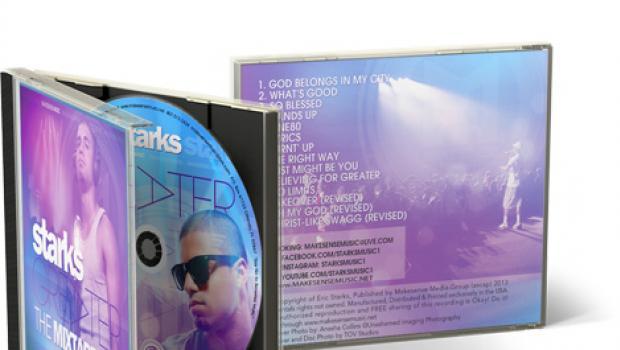
Jewel Case: The most traditional and widely used packaging for CDs. It consists of a plastic case with a front cover, back cover, and either a black tray or transparent tray that holds the CD. Jewel cases are cost-effective, durable, and offer space for artwork and booklets up to 28 pages.
There are several types of CDs (Compact Discs) available. These CD types vary in terms of their storage capacity, usage, and compatibility with different devices. Here are the most common types of CDs:
Audio CD (CD-DA): The standard audio CD format used for storing music tracks. These CDs can play on most CD players and audio systems.
CD-ROM (Compact Disc Read-Only Memory): This type of CD is used for storing computer data, software, and multimedia content. CD-ROMs can't be written on or modified; they are read-only discs.
CD-R (Compact Disc-Recordable): CD-Rs are write-once discs that can be burned with data, audio, or video content. Once data is recorded on a CD-R, it cannot be erased or overwritten. These are the types of CDs that we use for duplication OR provide to our customers to allow them to duplicate or record their own content on.
CD jewel cases remain relevant because they offer something streaming cannot: permanent ownership, physical artwork, and a tangible connection to music. Their future is likely to center on limited releases, marketing, collecting, and other situations where presentation and permanence matter.
A pre-packaged CD wallet combines disc production, printing, packaging, and assembly into one streamlined order. It is a practical choice for artists, churches, and businesses that want polished physical media without spending extra time assembling individual components.
A Digipak CD uses folded cardstock and an internal plastic tray to create a lightweight, retail-ready alternative to a jewel case. Its production combines careful artwork setup with precise printing, cutting, folding, tray placement, and optional disc assembly.
This website uses both technical and third party profiling cookies to enhance your shopping experience. By proceeding, you agree to the use of these cookies. Please read our Cookie Policy page for more information about how we use this information.
 BLOG - Learn more, explore more